

Subscribe to receive new articles by e-mail. It’s free, but if you like, you can pledge a donation:
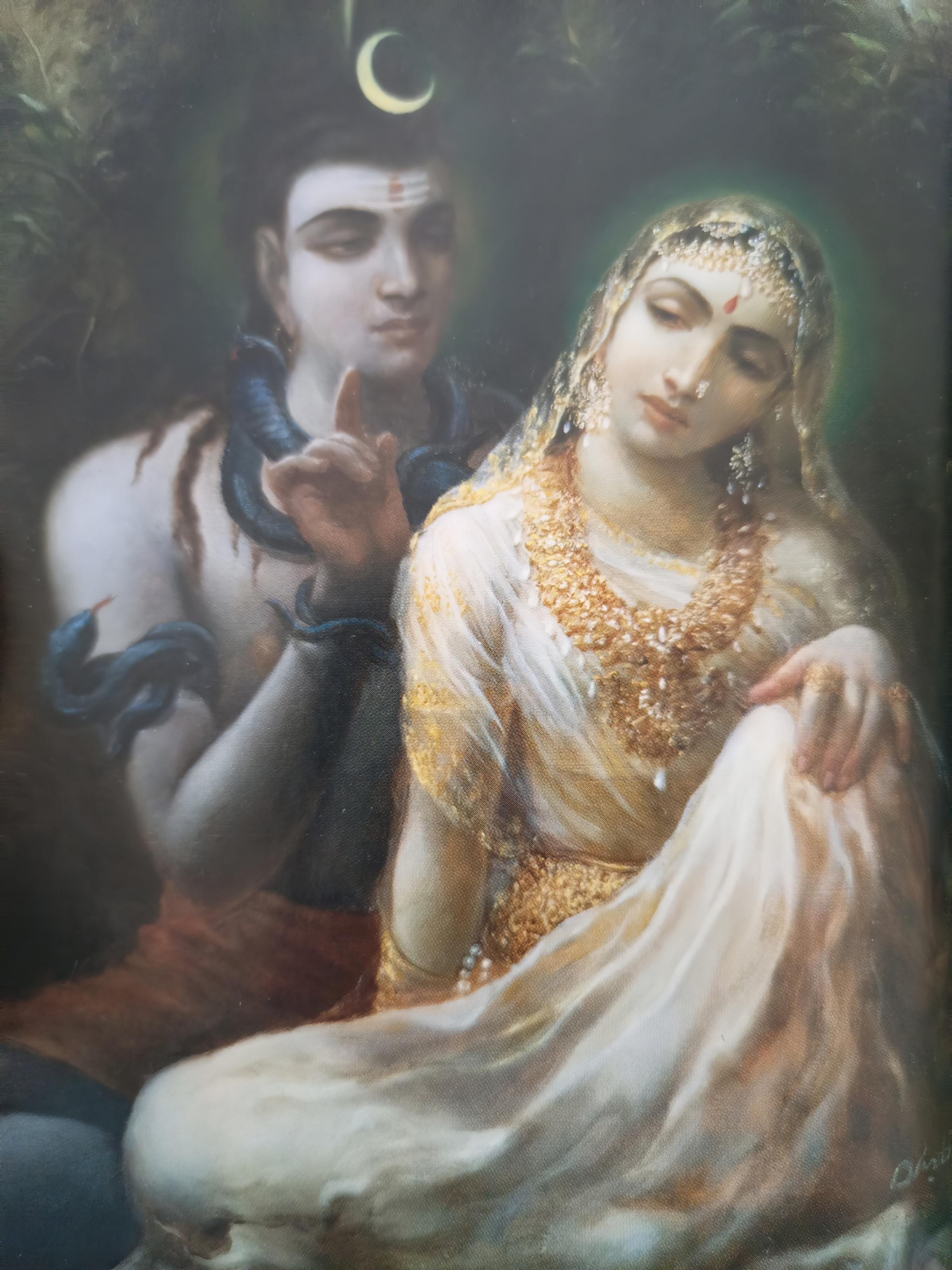
In the 4th canto of Śrīmad Bhāgavatam, there is a description of an episode where, after siding with Daksa and offending Lord Śiva, and being seriously punished by Vīrabhadra and the followers of Lord Śiva, the demigods and priests went to see Lord Brahma and ask for instructions.
Due to their offenses, Daksa was dead, the sacrifice was ruined, and so on. Although the demigods have bodies that are much more subtle and refined than ours, their bodies are still material and can be injured by the right type of weapons. As Lord Kapila explains in His teachings, there are different grades of matter, but inside all abodes, the qualities of different material elements (such as hot and cold, soft and hard, etc.) remain the same. A demigod may not be hurt by guns and other weapons from our plane, but there are subtle weapons that can hurt them, just like the tridents and swords of the followers of Lord Śiva!
The demigods had to visit Brahma in his abode because he was not present at the sacrifice of Daksa. The reason he didn’t attend was that he understood what would happen. Similarly, Lord Vishnu was not present there; only the demigods and priests who were under Daksa attended.
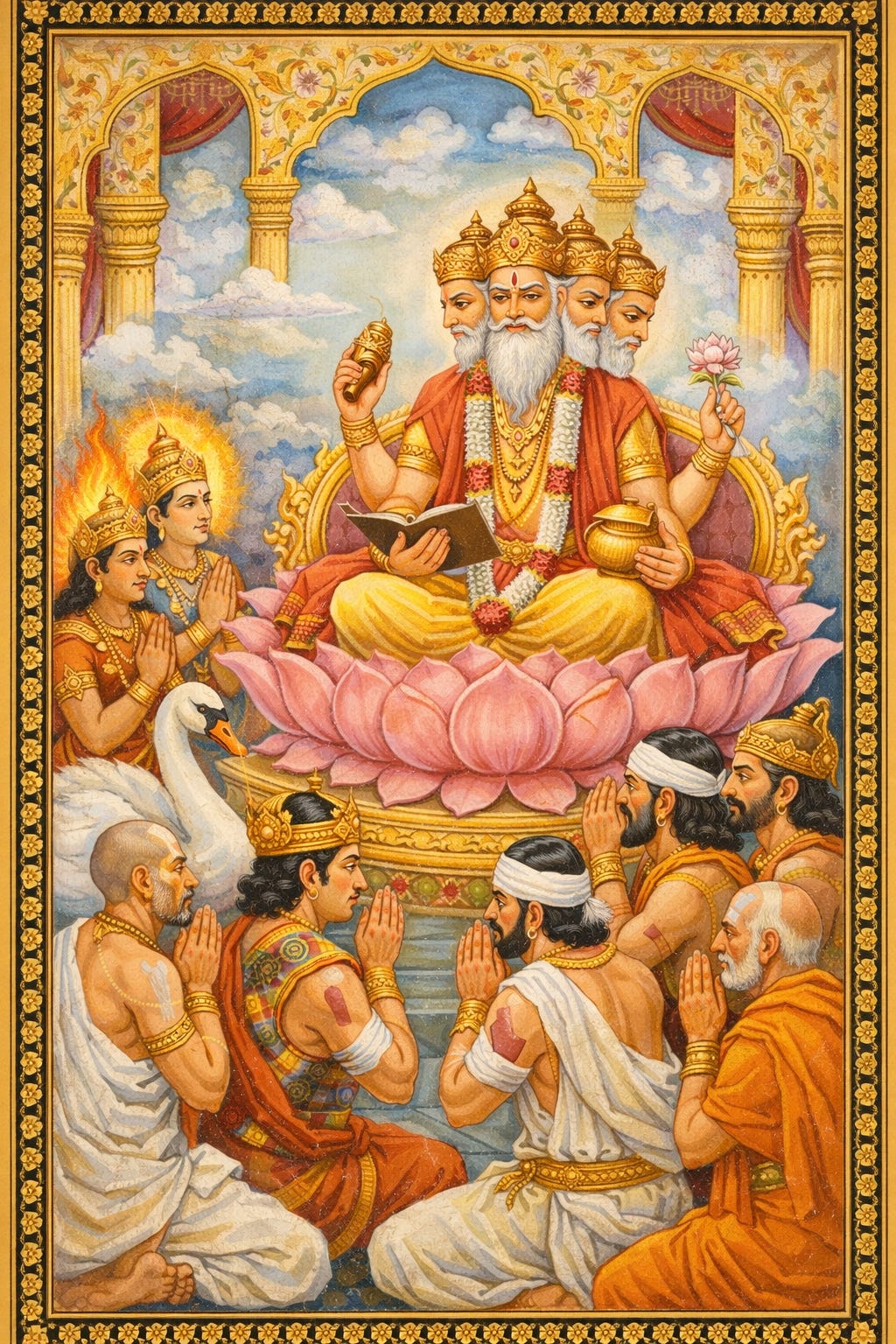
As explained in the 11th canto of Śrīmad Bhāgavatam, the symptom of a neophyte devotee is that he worships the Lord in the temple while failing to show proper respect to His devotees and to people in general. Lord Kapila compares this type of worship to offering ghee into ashes. Because in the case of the demigods, the offense was against the highest personality, the results were dramatic. Being a Vaiṣnava, however, Lord Śiva can be easily appeased, and therefore Lord Brahma instructed the demigods to go to him and surrender without reservations.
In his Bhakti-Sandarbha, section 153, Śrīla Jīva Goswami explains more about the consequences of offending devotees of the Lord. Just as the demigods faced difficulties in the performance of the sacrifice, such offenses can also create obstacles for us in our spiritual progress. He details five characteristics we may develop as a result of these offenses, which will act as obstacles to our devotional service:
1) Crookedness
2) Faithlessness
3) Attachment to things that destroy faith in the Lord
4) Slackness in devotional service
5) Pride in being advanced in devotional service.
According to him, crookedness means to engage in devotional service while committing offenses to the Supreme Personality of Godhead, the Vedas, the spiritual master, or the devotees. The Lord does not accept devotional service offered by those who are crooked, just as He did not accept the sumptuous meal offered by Duryodhana when He visited Hastināpura as a messenger from the Pandavas. He explains that even a foolish person can attain success in devotional service, but not those who are crooked. As explained by Śrīla Suta Goswami: “The Lord can be easily pleased by spotless devotees who resort exclusively to Him for protection, though the unrighteous man finds it difficult to propitiate Him.”
Faithlessness means that when one hears of or directly sees the glories of the Lord, one does not believe that they are true. One example is the response of Duryodhana on seeing the universal form of the Lord, presuming it was just a display of illusory magic by Krsna, whom he considered an ordinary man. A faithless person will not have faith in the chanting of the holy names and will see the deity as just a statue and prasāda as just ordinary food, even after practicing for many years.
Attachment to things that destroy faith in the Lord includes excessive involvement in materialistic activities and sense pleasures, association with non-devotees, indulgence in philosophies that contradict devotional conclusions, as well as pride and arrogance. As we advance in our practice in our practice and get a higher taste, we are supposed to give up all these tendencies, since they replace our faith in the Supreme Lord and in the chanting of the holy names. Offenses block this process, keeping us conditioned in this material world.
Mentioning verse 5.8.26 of Śrīmad Bhāgavatam, Śrīla Jīva Goswami explains that the pastime of Bharata Maharaja becoming attached to the deer must have been due to offenses committed in his past life, since such a strong impediment could not have been created due to ordinary fruitive activities. As he mentions, in the case of great devotees like Bharata Maharaja, Gajendra, etc., such temporary reverses may be created by the Lord to increase their determination in attaining Him, but in our case, the impediments that we may receive due to offenses to advanced Vaiṣnavas may not be so benign.
In section 159, Śrīla Jīva Goswami makes the point that when a foolish person commits offenses, it is generally not because of malice, and therefore, such offenses are usually not taken very seriously. The same applies to animals that somehow or other perform some kind of service and may attain perfection very easily. One example is the rat that entered the altar to eat the ghee from the lamp offered to the Lord. However, as he approached the lamp, his whiskers caught fire, making him jump and move around, causing the flame to flicker and rise higher. He got burned and died, but the Lord accepted this as an offering, and as a result, he became a queen in the next life who was serious about devotional practice, and from there went back to Godhead.
An intelligent and educated person, however, knows very well the difference between right and wrong, and if he commits offenses, it can’t be said it was accidental. We can see that the demigods fit this description, therefore they received a very serious reaction for their offenses to Lord Śiva, and their whole sacrifice was destroyed.
The 4th factor, slackness in devotional service, makes us experience happiness and suffering caused by our own minds and also by others. When we are properly engaged in devotional service, we quickly become free from such sufferings, but when we are not determined, we continue immersed in them. Offenses are one of the factors that sap our determination, making us morose.
The last factor is to develop pride in whatever advancement one can achieve in the practice of devotional service. This pride in itself comes as a result of past offenses, and due to pride, one becomes propense to commit more offenses, just like Daksa committed one offense after the other against Lord Śiva, becoming more and more entangled. In the Caitanya Caritāmṛta, Lord Caitanya personally teaches about the risks of committing offenses to Vaiṣnavas, and the example of Daksa and the demigods is another example of this direction. How to escape this cycle? We have to ask forgiveness from those we have offended, as Lord Brahma instructed the demigods.
You can also donate using Buy Me a Coffee, PayPal, Wise, Revolut, or bank transfers. There is a separate page with all the links. This helps me enormously to have time to write instead of doing other things to make a living. Thanks!