

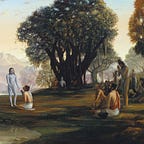

Material world: The place of ephemeral and temporary happiness
“Sometimes, being defeated or plundered by a superior, powerful agent, a living entity loses all his possessions. He then becomes very morose, and lamenting their loss, he sometimes becomes unconscious. Sometimes he imagines a great palatial city in which he desires to live happily with his family members and riches. He thinks himself fully satisfied if this is possible, but such so-called happiness continues only for a moment.” (SB 5.13.7)
In this world, everyone looks for happiness in relationships with friends, family, and society, but this happiness is insufficient to satisfy the needs of the soul, just as a drop of water in the desert. Worse still is that this happiness is temporary, and it depends to a large extent on one’s financial means. Sometimes a person may lose everything to a powerful enemy, government officials, or other unexpected situations. Often this also causes one to lose his or her family and circle of friends. In such situations, with all plans destroyed, one often falls into depression and loses all enthusiasm. This is yet another facet of material existence.
The analogy of the gandharva-pura, or the illusory castle, is also deepened by Prabhupāda in this verse:


