

« The Song of God—Volume 1, chapters 1-6
The amazing people who can see the amazing soul (Bg 2.29 and 2.30)
The soul is not an ordinary object that can be seen or measured by material instruments. It is atomic, spiritual, and beyond material perception, yet its presence animates the whole body. Very few truly understand it. Still, knowing that the soul is eternal and indestructible, Arjuna has no reason to lament for the body.
Text 29: āścarya-vat paśyati kaścid enam, āścarya-vad vadati tathaiva cānyaḥ,
āścarya-vac cainam anyaḥ śṛṇoti, śrutvāpy enam veda na caiva kaścit
Some look on the soul as amazing, some describe him as amazing, and some hear of him as amazing, while others, even after hearing about him, cannot understand him at all.
Text 30: dehī nityam avadhyo ’yam, dehe sarvasya bhārata
tasmāt sarvāṇi bhūtāni, na tvam śocitum arhasi
O descendant of Bharata, he who dwells in the body can never be slain. Therefore you need not grieve for any living being.
These two verses conclude the section of the second chapter where Kṛṣṇa describes transcendental knowledge about the soul. Beginning with text 2.31, He will start a new section, describing the process of pious fruitive activity described in the Vedas, before starting His teachings on the process of karma-yoga.
Text 2.29 is the “amazing” verse, where the word āścarya is repeated three times, indicating how surprising the nature of the soul is. Āścarya means amazing, marvelous, surprising, extraordinary, remarkable, etc., and āścarya-vat means “as amazing.” Some see the soul as something amazing, some describe the soul as amazing, and some hear from them about the amazing soul.
Śrīla Baladeva Vidyābhūṣaṇa explains that the adjective āścarya-vat can be interpreted as modifying the pronoun (enam, this soul), the subject (kaścit, someone), or the verb (paśyati, sees). There are thus three possible interpretations, and the three are simultaneously true:
a) Some look on the soul as amazing.
b) Some, who are amazing, look at the soul.
c) Some look, amazingly, at the soul.
In this way, the soul is amazing, the individuals who come to the point of seeing the soul (due to being spiritually advanced) are amazing, and the power of seeing the soul is amazing, being ultimately given by the Lord in response to one’s sincerity.
Once one comes to see and understand the soul, one may have the desire to speak about the soul to others, bringing us to the second line, āścarya-vad vadati tathaiva cānyaḥ, which can also be interpreted in three ways, following the explanation of Śrīla Baladeva Vidyābhūṣaṇa. The soul is described as something amazing; the people who describe the soul are amazing (having come to the point of obtaining this confidential knowledge), and the power of speaking about the soul (being given by the Lord in response to one’s sincerity) is amazing.
Speaking about something implies having someone hear about it, which brings us to the third line: āścarya-vac cainam anyaḥ śṛṇoti. The soul is described as something amazing; the power of hearing about the soul (being a potency of the Lord) is amazing, and the very people who are hearing about the soul (being empowered by the Lord to do so) are amazing. In this way, the soul is an amazing subject to be described; the power of hearing about the soul is amazing, and the capacity for hearing about the soul is amazing.
This explanation of the nine meanings of the verse by Śrīla Baladeva Vidyābhūṣaṇa is certainly amazing, and Prabhupāda speaks about something even more amazing in his purport, revealing the practical implications of this amazing knowledge about the soul.
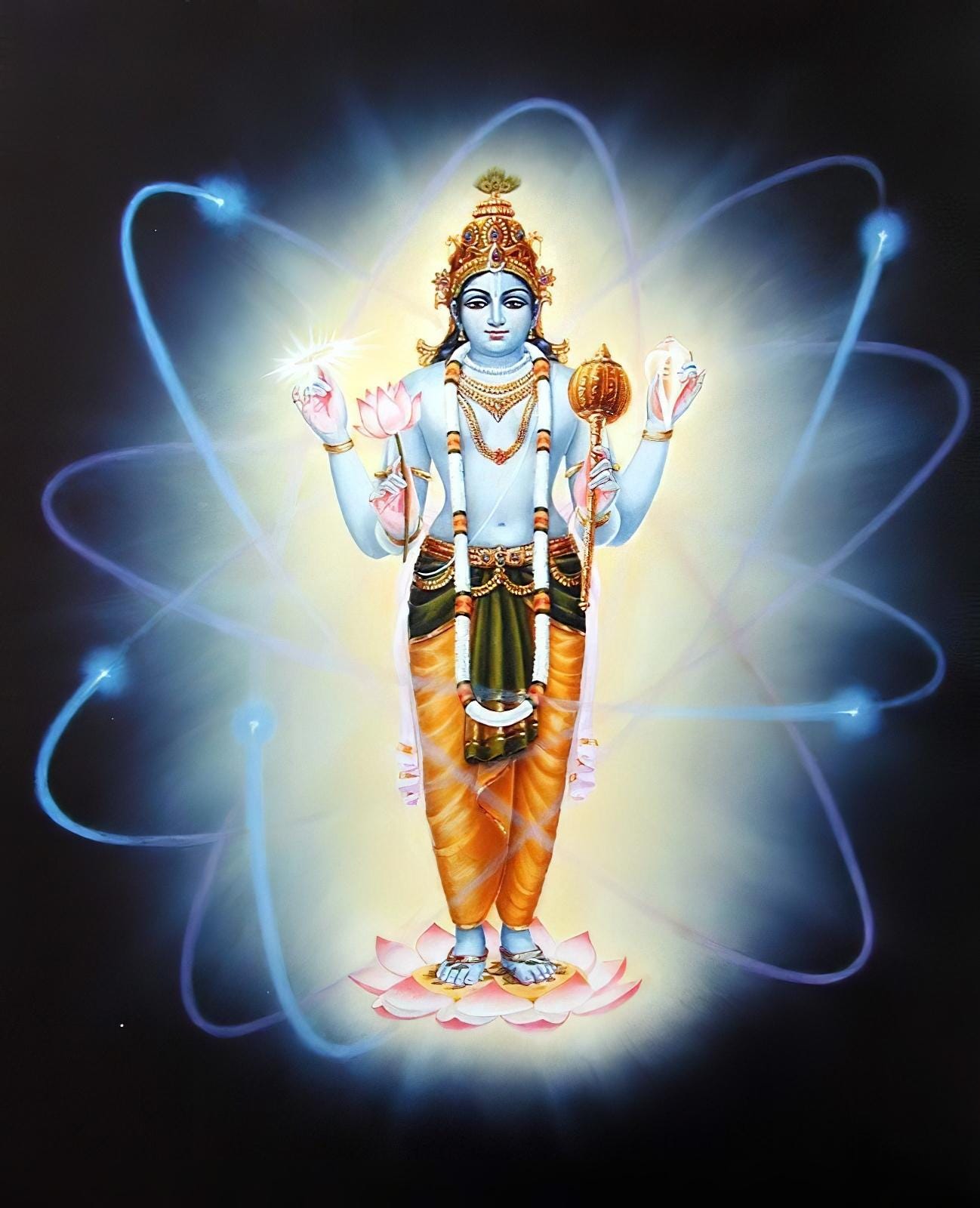
The same soul inside the body of a great animal like a whale or elephant can also enter the body of a microscopic germ and manifest varied degrees of consciousness and power. The soul can thus animate both very large and very small bodies, just like Kṛṣṇa can manifest the gigantic universal form and at the same time enter inside the atoms. By understanding the nature of the soul, we can also understand something about the nature of Kṛṣṇa, and from there inquire about the relationship between the two and the process of re-establishing this eternal relationship. However, because ordinary people are engrossed in material life, they have no time or interest in this type of inquiry. Therefore, a person who comes to inquire about the amazing soul is a remarkable person.
When one comes to this stage of inquiring about the soul, however, there is another trap, which is the possibility of hearing from an unqualified source. Many misunderstand the nature of the soul, concluding that the soul and the Supersoul are one, and thus misguide their followers with Māyāvāda philosophy. Only a devotee can understand the soul and the Lord and properly speak about them. Such devotees are extraordinary, and the process of hearing from them about the amazing soul is remarkable.
It is not easy to understand Kṛṣṇa. Normally, one has to perform austerities for many lives to come to the point of acquiring knowledge about Him. However, one can very easily come to understand Kṛṣṇa through the mercy of a pure devotee, just like one has to work very hard to get a million dollars, but the same amount can be given very easily by a billionaire.
In text 2.30, the Lord concludes the teaching about the immortality of the soul, explaining that the soul is eternal and the body temporary; therefore, Arjuna should not lament the loss of the temporary body while performing his duty.
Main points in the purports of Śrīla Prabhupāda:
“Some look on the soul as amazing, some describe him as amazing, and some hear of him as amazing, while others, even after hearing about him, cannot understand him at all.”
a) People who don’t have real knowledge and are immersed in materialistic life can’t understand how the same soul can become both big and small, powering both the body of a microbe and a gigantic animal like a whale or elephant. Even when they accept the existence of the soul, they can’t understand it at all, even though it is explained in detail in the scriptures. Instead, they become distracted by material subjects.
b) The problem with being materially absorbed is that one is ultimately defeated, since without understanding our real self, all activities ultimately end in defeat (with death, etc.). Only spiritual knowledge can bring a definitive solution to the problems of life.
c) Even when people become inclined to hear about the soul, they are often misguided by the idea that the soul and the Supersoul are the same.
d) It is thus very difficult to find a person who perfectly understands both the soul and the Supersoul, and even rarer to find someone who has applied and realized this knowledge. In any case, if one somehow comes to understand the soul, his life is successful.
e) How can we come to understand the soul? The easiest process is to accept the instructions of Kṛṣṇa. To come to the point of accepting Kṛṣṇa, however, one has to have a lot of spiritual merit, accumulated during this life or in previous lives (by penance, sacrifices, etc.). One who is bereft of spiritual merit will not be inclined to accept Kṛṣṇa’s guidance.
f) How can one come to accept Kṛṣṇa if he has no previous merit? This becomes possible through the association of a devotee. In any case, even after one accepts Kṛṣṇa, one can come to know Him only by the association and mercy of a pure devotee. Therefore, the association of devotees is the most important factor.
“O descendant of Bharata, he who dwells in the body can never be slain. Therefore you need not grieve for any living being.”
a) This verse concludes the instructions on the characteristics of the soul that establish the soul as eternal and the body as temporary. The soul is transcendental and different from the body, and life does not come from the interaction of material elements.
b) Although the soul is immortal, the Lord does not sanction unnecessary violence.
Next: Do thou fight for the sake of fighting (Bg 2.31 to 2.38)
Read the entire book:
« The Song of God—Volume 1, chapters 1-6

This is a publication for thoughtful readers who want to go deeper into Kṛṣṇa consciousness. I publish daily, trying to offer high-quality spiritual content, and all posts are available to free subscribers. If you wish, you can also choose a paid subscription to support this work.
You can also receive the updates on WhatsApp or Telegram.
If you would like to contribute further, you can find the donation links here.
Awesome Prabhu Ji 🙏💐💐💐
Amazing article by the amazing author. Thank you! 🙏