

« Making Sense of the Vedic Universe, a Higher-Dimensional Reality
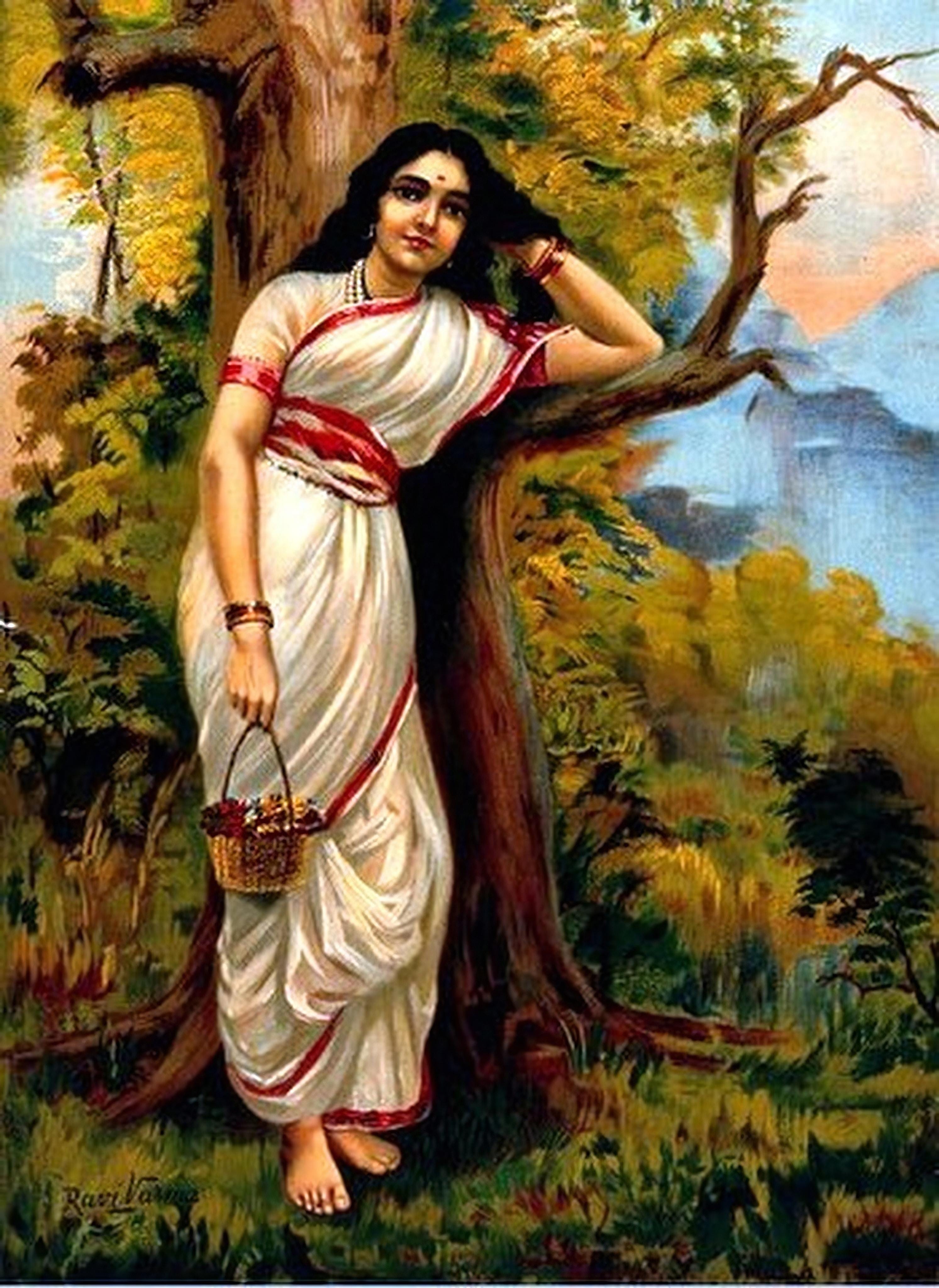
The celestial standard of living in the other varṣas
“In these eight varṣas, or tracts of land, human beings live ten thousand years according to earthly calculations. All the inhabitants are almost like demigods. They have the bodily strength of ten thousand elephants. Indeed, their bodies are as sturdy as thunderbolts. The youthful duration of their lives is very pleasing, and both men and women enjoy sexual union with great pleasure for a long time. After years of sensual pleasure—when a balance of one year of life remains—the wife conceives a child. Thus the standard of pleasure for the residents of these heavenly regions is exactly like that of the human beings who lived during Tretā-yuga.” (SB 5.17.12)
The cycles of Satya-yuga, Treta-yuga, Dvāpara-yuga, and Kali-yuga happen only in Bhārata-varṣa, accommodating souls of different levels of consciousness who need to take birth here. The other eight varṣas of Jambūdvīpa are places of enjoyment reserved for pious souls who are receiving the results of their past work. In all of these varṣas, they have a quality of life similar to Treta-yuga, living for 10,000 years with many opportunities for sense enjoyment. No one becomes old, and couples can enjoy sex life freely, with pregnancy happening only once close to the end of one’s life.
From this description, we can see that most of the population of the universe actually lives in quite comfortable situations by material standards. People in the higher planetary systems (starting from Maharloka), as well as in Svargaloka, obviously live comfortably, and even demons live comfortably in the Bila-svarga. As Prabhupāda mentions in his purport to this verse, even on this planet, people live comfortably most of the time. Only in Kali-yuga do people experience acute suffering.
We live now in difficult conditions because we have exhausted the results of our past karma, and we are now in the test room preparing a new set of karma, which we will either enjoy in the heavenly realms or suffer in hell and in the animal species. Even if one has no desire to go back to Godhead in this life, it makes sense to at least live piously, so one can escape this difficult condition we live in now.
We can see that if people were properly educated in the cosmological model of the Vedas, understanding these different abodes and how our actions lead to one or another, they would undoubtedly become more inclined to practice Kṛṣṇa consciousness, or at least live a pious life. It is thus not surprising that Prabhupāda put so much emphasis on the construction of the Temple of the Vedic Planetarium, which can serve as a vehicle for the dissemination of this knowledge. Understanding it is in people’s own self-interest.
“In each of those tracts of land, there are many gardens filled with flowers and fruits according to the season, and there are beautifully decorated hermitages as well. Between the great mountains demarcating the borders of those lands lie enormous lakes of clear water filled with newly grown lotus flowers. Aquatic birds such as swans, ducks, water chickens, and cranes become greatly excited by the fragrance of lotus flowers, and the charming sound of bumblebees fills the air. The inhabitants of those lands are important leaders among the demigods. Always attended by their respective servants, they enjoy life in gardens alongside the lakes. In this pleasing situation, the wives of the demigods smile playfully at their husbands and look upon them with lusty desires. All the demigods and their wives are constantly supplied with sandalwood pulp and flower garlands by their servants. In this way, all the residents of the eight heavenly varṣas enjoy, attracted by the activities of the opposite sex.
To show mercy to His devotees in each of these nine tracts of land, the Supreme Personality of Godhead known as Nārāyaṇa expands Himself in His quadruple principles of Vāsudeva, Saṅkarṣaṇa, Pradyumna and Aniruddha. In this way He remains near His devotees to accept their service.” (SB 5.17.13-14)
All the inhabitants of these heavenly varṣas in Jambūdvīpa are devotees. They enjoy an elevated standard of sense gratification and at the same time have the opportunity of worshiping the Lord, who is present in all these eight varṣas in His deity form.
As long as we are not free from material desires, we are forced to accept material bodies, and thus we are not able to directly serve the Lord in His spiritual form. He thus mercifully appears to us in a form we can see and touch, so we can perfect our devotional service and return to Him. This is the situation both here and in the heavenly varṣas of Jambūdvīpa.
In general, devotees avoid the path of sense gratification, since their goal is to decrease their attraction to this material world and increase their attachment to Kṛṣṇa. However, if one has the desire to enjoy this world and, at the same time, practice devotional service to a certain degree, this is also possible. One just has to follow the regulative principles while worshiping the Lord during this life, and let this mixture of devotional practice and material desires elevate him or her to the heavenly abodes of Jambūdvīpa or to Svargaloka in the next life.
The Lord is not against His devotees living in comfortable material conditions if they so desire. He, however, reserves this position for devotees who are sufficiently advanced not to give up their spiritual practice while living a life of material enjoyment. Currently, we are in a very delicate position, where we need to learn to control our senses.
When we are not fixed in piety, sense gratification (especially unlawful sense gratification, obtained through sinful activities) is very dangerous, because it makes us forget about the service to Kṛṣṇa. That’s why we are forced to live under strict rules on this planet, just as an alcoholic has to avoid drinking day after day as part of his treatment. If we can restrain ourselves from sinful activities during this lifetime and become fixed in devotional service, we can receive the opportunity, if we so desire, to enjoy without such restrictions in the next life, be it in one of the earthly heavens of Jambūdvīpa or in another situation where this will not jeopardize our devotional service. Certainly, this is much better than forgetting Kṛṣṇa and ending up going to hell under a load of sins.
Another important detail is that the text also describes hermitages, which are inhabited by great sages. Kardama Muni himself was living in one of these hermitages when practicing his austerities on the banks of the Bindu-sarovara lake. This shows that, just as on our planet, some use the facilities for sense enjoyment, while others use them for spiritual realization. Great sages are also present in Svargaloka. The problem is that these places have many distractions. That’s why earth is considered the ideal place for practicing self-realization.
Read the whole book:
« Making Sense of the Vedic Universe, a Higher-Dimensional Reality
This is a publication for thoughtful readers who want to go deeper into Kṛṣṇa consciousness. I publish daily, trying to offer high-quality spiritual content, and all posts are available to free subscribers. If you wish, you can also choose a paid subscription to support this work.
You can also receive the updates on WhatsApp or Telegram.
If you would like to contribute further, you can find the donation links here.